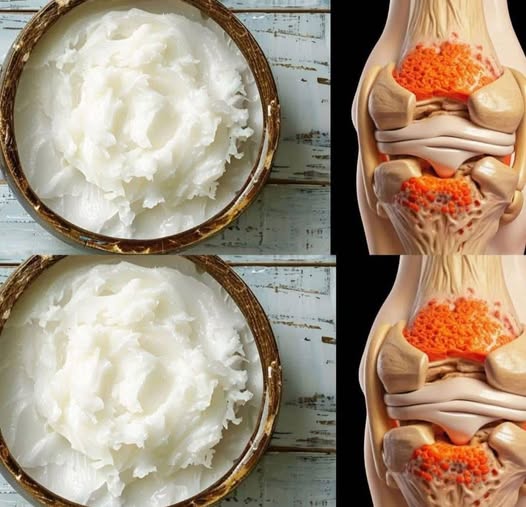
Knee pain and stiffness can make everyday activities feel like a struggle. Over time, worn-down cartilage—the cushion between your bones—can lead to discomfort and limited movement. While you can’t regrow cartilage completely, certain foods can help repair and protect what’s left, reduce inflammation, and support joint health. Let’s explore how simple changes to your diet might ease your knees and keep you moving.
How Food Supports Knee Cartilage
Cartilage is made of collagen and other proteins that act like shock absorbers. As we age or due to injuries, this cushion wears thin. Foods rich in collagen-building nutrients, omega-3 fatty acids, and antioxidants can help slow damage, reduce swelling, and give your body the tools it needs to repair tissue. Think of it as giving your knees the building blocks they’re missing.
Key Benefits of These Foods
Eating the right foods can:
1. Reduce inflammation that breaks down cartilage.
2. Boost collagen production for stronger joints.
3. Improve joint lubrication and flexibility.
4. Protect against further damage with antioxidants.
Top Foods for Knee Cartilage Repair
| Food | Benefits |
|---|---|
| Bone Broth | Packed with collagen and amino acids to rebuild tissue |
| Fatty Fish (Salmon, Mackerel) | High in omega-3s to fight inflammation |
| Leafy Greens (Spinach, Kale) | Rich in vitamin C for collagen synthesis |
| Berries (Blueberries, Strawberries) | Antioxidants protect cartilage from damage |
| Nuts and Seeds | Provide zinc and magnesium for joint repair |
| Garlic | Contains sulfur, a key component of cartilage |
| Oranges | Vitamin C boosts collagen production |
| Olive Oil | Anti-inflammatory fats reduce joint stiffness |
Simple Steps to Include These Foods
- Start your day with a cup of bone broth (homemade or store-bought with no additives).
- Add fatty fish like salmon to meals 2-3 times a week.
- Toss leafy greens into smoothies, salads, or stir-fries daily.
- Snack on berries and nuts instead of processed snacks.
- Use olive oil for cooking or drizzle it over veggies.
- Add garlic to soups, sauces, or roasted dishes.
- Drink orange juice or eat citrus fruits for vitamin C.
Remember
Always consult your doctor before making major diet changes, especially if you have allergies or health conditions. While these foods support joint health, they’re not a cure for severe cartilage loss or arthritis. Pair this diet with low-impact exercises like swimming or yoga, and avoid high-sugar or fried foods that increase inflammation. Patience is key—it may take weeks or months to notice improvements. If pain worsens, seek medical advice immediately.