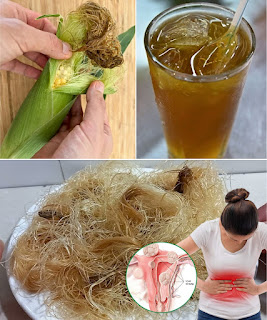
You’ve probably tossed corn silk into the trash without a second thought. But what if this golden thread-like part of corn could help lower blood pressure, reduce inflammation, or even support kidney health? Corn silk isn’t just garden waste—it’s a natural remedy used for centuries in traditional medicine, and modern science is starting to catch up. Let’s explore why this humble ingredient deserves a spot in your wellness toolkit.
What Is Corn Silk?
Corn silk refers to the long, shiny strands found under the husk of an ear of corn. These silky threads are actually the plant’s stigma, which helps pollinate corn kernels. While farmers often discard them, herbalists value corn silk for its rich nutrient profile. It contains vitamins (like vitamin K), minerals (such as potassium and calcium), antioxidants, and anti-inflammatory compounds. Traditionally, it’s been brewed into teas, tinctures, or added to soups for its healing properties.
Key Health Benefits of Corn Silk
Corn silk offers a wide range of benefits. It acts as a natural diuretic, helping flush excess fluids and toxins from the body, which can ease urinary tract infections and kidney issues. Its anti-inflammatory properties may reduce joint pain and swelling, while antioxidants like flavonoids protect cells from damage. Studies suggest it could also regulate blood sugar, lower cholesterol, and even soothe digestive problems like bloating. Some people use it topically to heal minor wounds or calm skin irritations.
Common Combinations & Their Benefits
| Ingredient | Combined Benefit |
|---|---|
| Lemon Juice | Boosts vitamin C for immune support |
| Ginger | Enhances digestion and reduces nausea |
| Honey | Soothes sore throats and adds natural sweetness |
| Dandelion Root | Strengthens detoxification and liver health |
| Chamomile | Promotes relaxation and better sleep |
How to Use Corn Silk
- Dry fresh corn silk: Rinse strands thoroughly, pat dry, and leave in a cool, dark place for 1-2 weeks.
- Make tea: Steep 1-2 teaspoons of dried corn silk in hot water for 10 minutes. Strain and drink 1-3 times daily.
- Create a tincture: Soak dried corn silk in vodka or vinegar for 4-6 weeks, then strain and store in a dropper bottle.
- Add to soups: Simmer fresh or dried corn silk in broths for extra nutrients.
Remember
Corn silk is generally safe, but moderation is key. Overuse may cause low potassium levels due to its diuretic effect. Avoid it if you’re on blood thinners (due to vitamin K content) or have allergies to corn products. Pregnant or breastfeeding women should consult a doctor first. While corn silk can complement wellness routines, it’s not a substitute for medical treatment—always seek professional advice for persistent health issues.