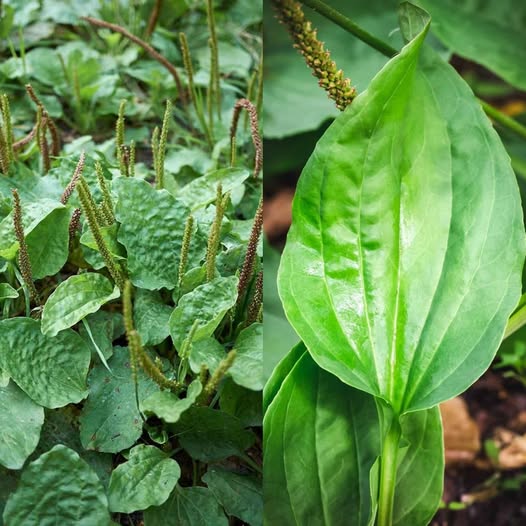
Why Plantain Deserves a Spot in Your Home Remedies
Have you ever brushed off plantain as just a backyard weed? Think again. This humble plant, found in lawns and parks worldwide, has been used for centuries to soothe burns, heal wounds, and calm irritated skin. Unlike expensive creams or chemical treatments, plantain leaves offer a natural first-aid solution that’s literally at your feet.
Nature’s Band-Aid: What Makes Plantain Special
Plantain leaves contain powerful compounds like allantoin (promotes cell growth), aucubin (fights germs), and anti-inflammatory tannins. Fresh leaves can be crushed and applied directly to skin issues, while dried leaves make healing teas or salves. Both broadleaf (Plantago major) and narrowleaf (Plantago lanceolata) varieties work effectively.
Top Health Benefits of Plantain
- Stops itching from bug bites or poison ivy
- Draws out splinters or infection from wounds
- Reduces swelling in cuts and scrapes
- Calms coughs when taken as tea
- Helps heal burns and sunburns
Powerful Combinations for Common Ailments
| Mix With | Benefits |
|---|---|
| Raw honey | Boosts antibacterial power for infected cuts |
| Aloe vera | Creates cooling burn treatment |
| Coconut oil | Makes moisturizing salve for dry skin |
| Baking soda | Relieves bee stings when made into paste |
How to Use Plantain: 3 Simple Methods
- Fresh poultice: Clean 2-3 leaves, chew briefly (or crush), apply to affected area for 15 minutes
- Healing oil: Fill jar with dried leaves, cover with olive oil, let sit 4-6 weeks
- Soothing tea: Steep 1 tbsp dried leaves in hot water for 10 minutes, strain and drink
Remember: Safety First With Natural Remedies
Always test plantain on a small skin area first – some people may have allergies. Don’t use on deep wounds or severe burns without medical help. Pregnant women should consult doctors before internal use. While plantain works well for minor issues, serious health problems need professional care.