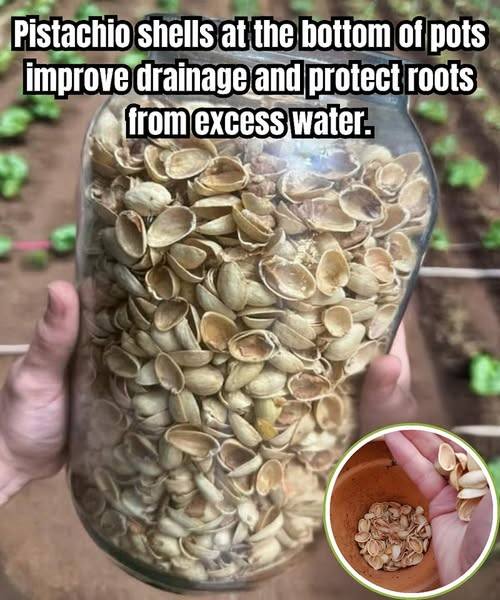
Don’t toss those pistachio shells just yet! What looks like trash could be a free, eco-friendly solution for your home, garden, or DIY projects. From boosting plant health to keeping pests away, these shells are packed with hidden uses that save money and reduce waste. Let’s turn your snack leftovers into something useful!
Why Pistachio Shells Are Worth Keeping
Pistachio shells are tough, lightweight, and biodegradable. Their rough texture and natural oils make them perfect for repurposing in creative ways. Unlike plastic or synthetic materials, they break down safely in the environment. Plus, they’re free—why buy mulch or fire starters when you can reuse what you already have?
Core Benefits of Reusing Pistachio Shells
Reusing shells cuts down on waste, saves money, and adds natural solutions to everyday problems. They improve soil health, protect plants, absorb moisture, and even add a cozy touch to your home. Best of all, they’re safe for kids, pets, and the planet when used correctly.
Pistachio Shell Uses and Benefits
| Use | Benefit |
|---|---|
| Natural Fertilizer | Adds nutrients like calcium and potassium to soil |
| Pot Drainage Helper | Prevents waterlogged roots in indoor/outdoor plants |
| Fire Starter | Burns quickly for eco-friendly kindling |
| DIY Crafts | Creates rustic decorations or jewelry |
| Insect Barrier | Slugs and snails avoid sharp shell edges |
| Moisture Absorber | Reduces dampness in small spaces |
| Air Freshener | Holds essential oils for natural fragrance |
How to Use Pistachio Shells Step-by-Step
- Fertilizer: Crush shells with a hammer or blender. Mix into compost or sprinkle directly onto soil.
- Drainage: Layer 1-2 inches of whole shells at the bottom of plant pots before adding soil.
- Fire Starter: Dry shells completely. Place a handful under charcoal or firewood; light carefully.
- Crafts: Paint shells with acrylics, glue into shapes (like flowers), or string as garlands.
- Insect Barrier: Scatter crushed shells around garden beds or plant bases.
- Moisture Control: Fill a breathable cloth bag with shells and place in damp areas (e.g., closets).
- Air Freshener: Add 5-10 drops of essential oil to a bowl of shells. Refresh oils weekly.
Remember
Avoid salted shells for plants or crafts—excess salt can harm soil. Always rinse shells if unsure. When burning shells, ensure proper ventilation. While these uses are generally safe, consult a doctor if you have allergies or health concerns related to dust, smoke, or essential oils.